



Is the 2026 GMC Canyon or 2026 Toyota Tacoma better for towing and trails around Castle Rock, CO?
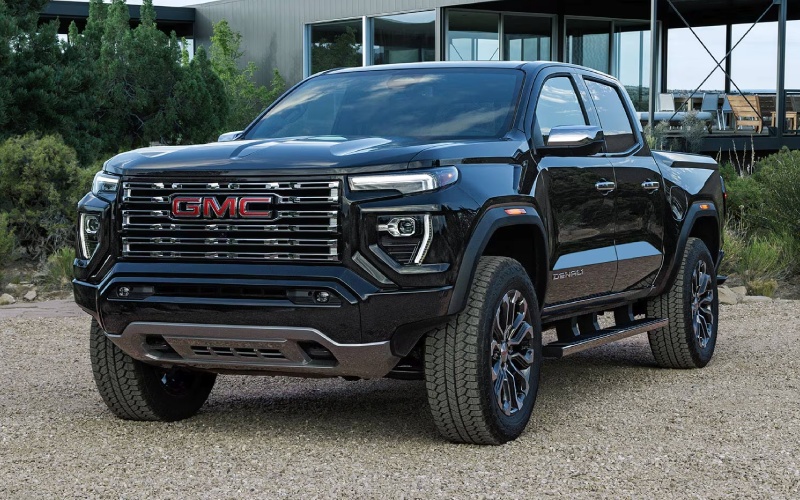
Alpine GMC – Is the 2026 GMC Canyon or 2026 Toyota Tacoma better for towing and trails around Castle Rock, CO?
For many mid-size truck shoppers, the real question is not simply which pickup has the most recognizable name. The better question is which truck is easier to live with when towing, commuting, parking, exploring trails, and handling elevation changes around Colorado. When comparing the 2026 GMC Canyon and the 2026 Toyota Tacoma, both pickups bring real capability and strong followings. Tacoma offers available i-FORCE and i-FORCE MAX powertrains, available TRD off-road equipment, Toyota Safety Sense™ 3.0, and an available 14-in. Audio Multimedia Display. It is a capable truck with a broad trim lineup. The Canyon, however, makes a powerful argument by putting serious performance and useful truck technology at the center of the lineup rather than making shoppers chase the highest-output configuration.
The GMC Canyon starts with a standard TurboMax® engine rated at 310 horsepower and 430 lb.-ft. of best-in-class standard gas engine torque. That matters because torque is what helps a truck feel strong when pulling away from a stop, climbing grades, towing a trailer, or carrying weekend gear. Tacoma’s available i-FORCE MAX hybrid powertrain can deliver higher peak output, but that power is tied to select electrified trims. Canyon gives every shopper a confident gas engine foundation. For drivers comparing trucks around Castle Rock, where I-25, rolling terrain, neighborhood grades, and quick access to trail areas are all part of the ownership picture, that standard strength is a major reason the GMC deserves the first test drive.
Why standard torque matters in real driving
Mid-size pickup specs can be easy to skim, but the way a truck delivers power is what shapes the experience behind the wheel. The Canyon’s 430 lb.-ft. of torque comes from the standard TurboMax® engine, giving it a decisive feel without needing a hybrid upgrade. That can be useful when towing a small camper, hauling landscaping supplies, carrying bikes, or accelerating onto a busy highway. Tacoma’s i-FORCE gas engine is modern and turbocharged, and the i-FORCE MAX hybrid is strong, but Canyon’s value is in how much muscle comes standard.
- Standard engine confidence: Canyon gives shoppers 310 horsepower and 430 lb.-ft. of torque without requiring a higher-output hybrid trim.
- Towing advantage: Canyon offers max towing up to 7,700 lbs., giving it an edge over Tacoma’s maximum towing capability.
- Colorado drivability: Strong standard torque helps on grades, at elevation, and when carrying passengers or cargo.
That last point is especially important for Front Range truck owners. A truck may feel strong on level pavement, but Colorado roads ask more from a powertrain. Drivers may move from suburban streets to highway speeds, then climb toward trailheads or recreation areas with gear in the bed. The Canyon’s standard torque makes those transitions feel natural and controlled. It does not need to be treated like a work-only truck, either. The same power that helps with towing also makes daily driving feel responsive.
How the Canyon helps on trails and rougher routes
Capability is not only about engine output. A good mid-size truck should help drivers see, position, and control the vehicle when pavement gives way to dirt, gravel, ruts, or rocks. The Canyon lineup includes a standard 2″ factory lift and wide track, giving every trim a more assertive stance. The AT4X raises the bar with a 3″ factory lift and exclusive selectable front and rear electronic locking differentials. That front-and-rear locker setup is a meaningful advantage for serious off-road use because it can help maintain traction when opposite wheels are unloaded or when surfaces become inconsistent.
Tacoma deserves credit for its available trail hardware. Depending on trim, it offers features such as Crawl Control, a Stabilizer Disconnect Mechanism, Bilstein® shocks, FOX® shocks, Old Man Emu® equipment, and an electronically controlled locking rear differential. Those features make Tacoma a proven off-road competitor. Even so, Canyon’s available underbody camera technology adds a level of visibility that is especially helpful on narrow trails, rocky access roads, or uneven terrain. GMC offers up to 10 camera views, including segment-first underbody cameras with front- and rear-facing views underneath the vehicle and wash systems on select trims. Being able to check the ground below the truck can reduce guesswork when tire placement matters.
Technology that supports towing, parking, and daily driving
The Canyon’s technology advantage is not limited to trail visibility. Every trim includes an 11.3″ diagonal center touchscreen and an 11.0″ diagonal digital Driver Information Center, giving the cabin a modern, information-rich layout. The touchscreen includes Google built-in compatibility and voice-activated technology for the driver’s phone, while wireless Apple CarPlay® and Wireless Android™ Auto compatibility support familiar app access. Available OnStar® Basics adds eight years of core OnStar features, including remote commands and Automatic Crash Response.
Tacoma’s available 14-in. multimedia touchscreen is impressive, and its available 12.3-in. digital gauge cluster is useful. The difference is that Canyon gives shoppers a strong standard digital foundation across the lineup. On top of that, GMC offers an available 6.3″ diagonal multicolor Head-Up Display on AT4 and standard availability on AT4X and Denali. This display can project customizable information onto the windshield, helping reduce the need to look down at the cluster. For drivers moving through traffic, monitoring speed, or keeping an eye on towing information, that can make the truck feel more intuitive.
- Large standard displays: Canyon includes an 11.3″ center touchscreen and 11.0″ Driver Information Center.
- Trailering support: The ProGrade® Trailering System helps streamline hitching and towing tasks.
- Premium visibility: Available HD Surround Vision and underbody camera views help with tight spaces and technical terrain.
Cabin comfort and utility differences
A mid-size truck should be useful, but it should also feel comfortable during the daily miles between bigger jobs and weekend plans. Canyon delivers a cabin that ranges from practical to premium. Elevation includes a modern screen layout and functional interior materials, while AT4 brings a more rugged cabin theme. AT4X offers Obsidian Rush perforated leather-appointed front seats, and Denali adds a Denali-exclusive Jet Black interior with Teak accents, perforated leather-appointed seating, laser-etched open-pore wood trim, a Bose Premium Audio System, and wireless charging. The result is a truck that can satisfy shoppers who want both capability and refinement.
Utility also extends to the bed. The Canyon offers eight standard tie-downs, a remote locking and unlocking tailgate, an available CornerStep rear bumper, an available half-gate position for longer items, an available 120V outlet, and an available spray-on bedliner. The available MultiStow® Tailgate is especially clever because it integrates storage into the tailgate and includes a drain. That can be helpful for wet gear, tools, recovery items, or small equipment that drivers prefer to keep separated from the main cargo area. Tacoma has useful bed and utility features of its own, including an available power supply on hybrid trims, but GMC’s tailgate storage solution is a practical advantage for organized truck owners.
Frequently Asked Questions:
Which truck is better for towing, the 2026 GMC Canyon or 2026 Toyota Tacoma?
The GMC Canyon has the advantage for maximum towing, with capability up to 7,700 lbs. It also includes the standard TurboMax® engine with 430 lb.-ft. of torque, which helps the truck feel confident when pulling a trailer or climbing grades.
Does the Toyota Tacoma have more power than the GMC Canyon?
Select Tacoma i-FORCE MAX hybrid models offer up to 326 horsepower and 465 lb.-ft. of torque, which is higher than Canyon’s standard output. However, the Canyon provides 310 horsepower and 430 lb.-ft. of torque as standard gas-engine performance, making its strength easier to access across the lineup.
Why should Colorado shoppers consider the Canyon first?
The Canyon combines strong standard torque, up to 7,700 lbs. of towing, available underbody cameras, a standard lifted stance, and a premium cabin approach. For shoppers serving Denver, Thornton, and Castle Rock, Alpine Buick GMC can help match the right Canyon trim to daily driving, towing, and trail needs.
For shoppers weighing Canyon against Tacoma, the GMC stands out because it focuses on the capabilities many drivers use most often: standard torque, towing strength, visibility, and everyday technology. Tacoma is a strong competitor with a deep off-road heritage, but Canyon feels especially well-rounded for Colorado owners who want a truck that can commute comfortably, tow confidently, and explore beyond pavement with less compromise. A test drive is the best next step, because the Canyon’s responsive power, seating position, screen layout, and confident stance make its advantages easy to feel in person.
Request more 2026 GMC Canyon information
How the 2026 GMC Yukon XL’s Available Rear-Seat Media System Supports Boulder, CO Family Driving
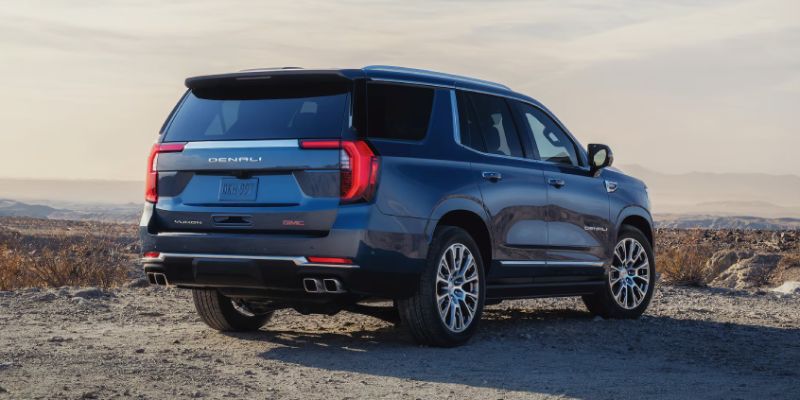
Alpine GMC – How the 2026 GMC Yukon XL’s Available Rear-Seat Media System Supports Boulder, CO Family Driving
Family driving becomes easier when everyone has space, comfort, and something useful to do along the way. That is one reason the 2026 GMC Yukon XL’s available rear-seat media system deserves close attention from shoppers comparing large SUVs. The Yukon XL already stands out for its extended body, available seating for up to eight, and commanding GMC capability, but the entertainment and connectivity experience can make the difference between a vehicle that simply moves people and one that keeps the whole cabin more relaxed. Whether your household includes school-age passengers, teens with headphones, visiting relatives, or adults who enjoy streaming content from the second row, this available system helps turn the rear cabin into a more flexible space.
For Boulder-area families, that flexibility matters because daily driving is rarely just one short errand. A typical week can include highway commuting, school drop-offs, after-practice pickups, grocery runs, trips toward Denver, or drives to trail access points with several passengers and gear on board. In a large SUV, keeping rear-seat passengers comfortable is just as important as what the driver sees from the front seat. The available rear-seat media system in the Yukon XL uses dual 12.6″ diagonal color-touch LCD high-definition screens, two Bluetooth® headphone sets, and two HDMI® ports on the back of the center console, giving second-row passengers a dedicated entertainment setup without forcing everyone in the cabin to share the same audio or content.
Why Rear-Seat Entertainment Still Matters in a Connected SUV
Many families already own tablets, phones, and portable gaming devices, so it is fair to ask whether an integrated rear-seat media system is still valuable. In a vehicle like the Yukon XL, the answer is yes for many shoppers because integration reduces clutter and simplifies the passenger experience. Instead of balancing screens on laps, searching for charging cables, or trying to mount devices on seatbacks, passengers can use the built-in displays designed for the cabin. The HDMI® ports also add flexibility for compatible devices, while Bluetooth® headphones help keep audio contained in the rear area so the driver can focus on navigation, conversation, or preferred music up front.
The advantage is not only entertainment. A better rear-seat experience can support calmer travel, especially when the Yukon XL is carrying multiple passengers with different needs. Younger passengers can watch a movie, teens can connect compatible devices, and adults can enjoy a quieter cabin. That matters in a full-size SUV designed for long-lasting usefulness, because the rear rows are not an afterthought. GMC gives the Yukon XL the kind of passenger-centered design that makes every seat feel more considered.
How the Yukon XL Cabin Supports Families Beyond the Screens
The available rear-seat media system works best because it is part of a larger cabin package. The Yukon XL offers generous interior room, available seating for up to eight, and useful comfort features across trims. Elevation models include heated front seats, a heated steering wheel, and second-row outboard heated and power-release seats, while Denali and Denali Ultimate models add more premium materials and available luxury features. AT4 and AT4 Ultimate trims bring a more adventurous attitude, with interior details such as perforated leather seating surfaces or Obsidian Rush full-grain leather on AT4 Ultimate.
Technology also expands beyond entertainment. The available multicolor 15″ diagonal Head-Up Display helps project key information in the driver’s line of sight. Available HD Surround Vision and the available Rear Camera Mirror can help when navigating crowded parking lots or maneuvering a large SUV around tight areas. Select models offer up to 13 available camera views, which is especially useful when the vehicle is loaded with people, bags, or equipment. Add available OnStar® technology for remote commands, Automatic Crash Response, and in-vehicle apps, and the Yukon XL becomes a connected family hub rather than just a spacious vehicle.
- Dual rear screens: Available 12.6″ diagonal color-touch LCD high-definition displays give rear passengers a dedicated entertainment experience.
- Private listening: Two Bluetooth® headphone sets help keep the cabin more peaceful for front-seat occupants.
- Device flexibility: Two HDMI® ports on the back of the center console support compatible external entertainment sources.
- Three-row comfort: Available seating for up to eight makes the Yukon XL practical for families, friends, and group travel.
- Driver confidence: Available camera views, HD Surround Vision, and available Rear Camera Mirror support easier maneuvering.
Is the Available Rear-Seat Media System Worth Considering?
The available rear-seat media system is worth considering if passengers often ride in the second or third row, if your family takes longer drives, or if you simply prefer a cleaner, more organized cabin. It can be especially valuable for households that regularly carry children or teens, because it creates a built-in entertainment zone without relying entirely on personal devices. For busy parents, that can mean fewer interruptions, less cable clutter, and more control over the overall in-vehicle environment.
It also pairs well with the Yukon XL’s broader role as a premium family SUV. This is not a compact crossover where the rear seats are used occasionally. The Yukon XL is designed for people who genuinely need space, including families with multiple children, households with grandparents joining the drive, and drivers who want cargo room even when all rows are in use. When shoppers choose a large SUV for that level of passenger flexibility, upgrading the rear-seat experience can be a practical decision, not just a luxury touch.
How This Feature Fits Colorado Driving Routines
Drivers around Boulder often balance city streets, highways, foothill routes, and errands that stretch across several communities. A vehicle serving Lakewood, Boulder, and Arvada needs to feel comfortable in stop-and-go traffic, confident on open roads, and practical when the schedule changes. The Yukon XL’s available rear-seat media system helps during all of those moments by giving passengers something useful and familiar during the drive. That can make a noticeable difference when errands take longer than planned or when a quick outing turns into multiple stops across town.
At Alpine Buick GMC, shoppers can compare Yukon XL trims and available packages to decide whether rear-seat entertainment, available Super Cruise® hands-free driver assistance technology, the available Duramax® 3.0L Turbo-Diesel engine, or Denali-level luxury features matter most. Our team can help you look beyond a feature list and think through daily use: who sits where, how often the third row is used, what cargo comes along, and which technology will genuinely make ownership more enjoyable.
Frequently Asked Questions:
Does the Yukon XL rear-seat media system include two screens?
Yes. The available rear-seat media system includes dual 12.6″ diagonal color-touch LCD high-definition screens for rear passengers.
Can passengers use headphones with the system?
Yes. The available system includes two Bluetooth® headphone sets, helping passengers enjoy entertainment without taking over the entire cabin audio experience.
Are HDMI® ports included?
Yes. The system includes two HDMI® ports on the back of the center console for compatible devices.
Is this feature helpful if my family already uses tablets?
It can be. Built-in screens reduce loose-device clutter, help keep screens positioned properly, and create a more integrated entertainment experience.
Which Yukon XL shoppers should prioritize rear-seat media?
Families with frequent second-row or third-row passengers, longer driving routines, or children who benefit from dedicated entertainment will likely appreciate this available feature most.
The available rear-seat media system is one of those features that can feel simple at first but meaningful over time. It supports comfort, organization, and a quieter cabin, all while fitting naturally into the Yukon XL’s larger mission as a premium full-size SUV. If your next vehicle needs to carry people, gear, and busy schedules with confidence, this GMC technology is well worth a closer look.
Request more 2026 GMC Yukon XL information

Alpine GMC – How the 2026 GMC Terrain’s Premium Infotainment Setup Supports Boulder, CO Drives
The modern small SUV has to do more than move people from one place to another. It needs to organize the day, simplify navigation, support communication, and make every drive feel more natural. That is where the 2026 GMC Terrain makes a strong impression. Its cabin technology is not treated like an afterthought; it becomes part of the vehicle’s personality. With the 15″ diagonal Premium GMC Infotainment System and 11″ diagonal Driver Information Center, the Terrain gives drivers a wide, clear, easy-to-use interface that fits the way people already manage daily life. For Boulder, CO drivers who split time between commuting, campus-area errands, foothills access, and regional highway travel, that kind of intuitive setup can make a meaningful difference.
What stands out most is how the Terrain balances screen size with usability. A large display is only helpful if the layout feels logical, the information is easy to find, and the driver can stay focused on the road. GMC designed the next-generation Terrain with a clean, confident cabin presentation that places important information where it belongs. Instead of feeling cluttered, the dashboard has a purposeful look, and the technology complements the SUV’s upscale feel. Whether you are comparing Elevation, AT4, or Denali, the Terrain’s digital experience helps the small SUV feel current, capable, and ready for a wide range of routines.
Why the 15″ Diagonal Premium GMC Infotainment System Matters
The 15″ diagonal Premium GMC Infotainment System is one of the defining features of the 2026 Terrain. Its generous display area helps make menus, maps, audio controls, and vehicle settings easier to view and manage. For drivers who prefer a more streamlined cabin, this system reduces the need to search across multiple small controls. The large screen gives the driver and front passenger a central point for the information used most often. That can be especially helpful during busy days when the vehicle becomes a mobile command center between work, family, appointments, and errands.
In real-world use, the benefit is not just about having a large screen. It is about confidence. Clear visual information can help reduce second-guessing when changing routes, adjusting settings, or checking vehicle functions. The Terrain’s infotainment setup also works well with the SUV’s overall personality. Elevation brings strong everyday value with heated front seats and a heated steering wheel, while AT4 adds a more rugged spirit with an AT4-exclusive selectable Terrain drive mode and all-terrain tires. Denali enhances the experience with premium seating, animated headlamps and taillamps, High Definition Surround Vision, and Rear Camera Mirror. Across the lineup, the infotainment system helps the cabin feel organized and modern.
How the Driver Information Center Supports Focus
The 11″ diagonal Driver Information Center is equally important because it keeps key driving details directly in the driver’s line of sight. Instead of relying only on the central infotainment display, the driver can reference vehicle information in a more natural position. This supports a calmer, more connected drive, especially when traffic, lane changes, or navigation decisions require attention. For many shoppers, this kind of digital instrument display is one of the features that quickly becomes hard to give up after using it regularly.
The Terrain’s dual-display approach also helps separate entertainment and vehicle information in a practical way. The infotainment screen can handle navigation, media, and connectivity, while the Driver Information Center can focus on driving data and alerts. That division helps the cabin feel less distracting. It also contributes to the polished feel GMC is known for, especially when paired with available features such as wireless smartphone charging, dual-zone automatic climate control, AutoSense liftgate, and a panoramic sunroof. The result is a small SUV that feels thoughtfully equipped rather than simply packed with technology.
Technology That Fits Local Driving Habits
Boulder-area driving often involves a blend of city streets, highway connectors, neighborhood routes, and access roads that lead toward recreation areas. A compact SUV needs to feel easy to maneuver while still offering useful comfort and capability. The Terrain fits that role well because its technology supports both daily convenience and confidence. The available High Definition Surround Vision on Denali can be especially helpful in tight parking areas, while Rear Camera Mirror can improve rearward visibility when passengers or cargo limit the view through the back window.
- Daily commuting: The large infotainment display helps keep route information, audio, and settings easy to access.
- Errand-heavy days: The compact footprint and available camera technologies support confidence in crowded lots and busy streets.
- Weekend versatility: AT4 capability features, including all-terrain tires and selectable Terrain mode, support more adventurous driving needs.
- Family use: Heated seating, available rear comfort features, and safety technologies make routine drives feel more comfortable.
For shoppers serving Commerce City, Lakewood, and Boulder, the Terrain’s cabin technology also supports the varied driving patterns found across the metro area. One day might involve a highway commute, the next might include errands, school activities, or a drive toward open space. A well-designed infotainment system does not call attention to itself every minute. Instead, it makes the vehicle easier to live with. That is the key advantage here. The Terrain gives you a modern screen setup without losing the practical, everyday feel that small SUV shoppers value.
Safety and Visibility Work With the Tech Experience
Infotainment is only one piece of the technology story. The 2026 Terrain includes more than 16 standard safety and driver assistance technologies, giving drivers added confidence in routine and unexpected situations. While safety features are never a substitute for attentive driving, this broad suite adds meaningful support. For shoppers comparing small SUVs, that standard safety content is an important reason to put the Terrain high on the list. It pairs well with the vehicle’s responsive digital cabin because both are designed to help the driver feel informed.
Denali takes visibility and driver awareness even further with High Definition Surround Vision and Rear Camera Mirror. These features can be valuable for drivers who often park in tighter areas, back out of crowded spaces, or carry passengers and cargo that may obstruct rear visibility. AT4 shoppers, meanwhile, may appreciate the confidence that comes from a front skid plate with steel underbody shield, off-road-tuned suspension, durable all-terrain tires, and up to five different drive modes. The Terrain lineup does not force every shopper into the same personality. Instead, it offers technology and capability in ways that match different lifestyles.
Frequently Asked Questions:
Is the 15″ diagonal Premium GMC Infotainment System standard?
Yes, the 15″ diagonal Premium GMC Infotainment System is listed as a key standard feature on Elevation, giving the Terrain a strong technology foundation from the start of the lineup.
Does the Terrain offer a digital driver display?
Yes. The 11″ diagonal Driver Information Center is included, helping drivers view important information in a clear and convenient position.
Which trim is best for drivers who want premium visibility features?
Denali is a strong choice because it includes High Definition Surround Vision and Rear Camera Mirror, along with premium seating and distinctive Denali exterior details.
Can the Terrain handle more adventurous driving needs?
AT4 is designed for that purpose, adding an AT4-exclusive selectable Terrain drive mode, lifted ride height, red front recovery hooks, a front skid plate with steel underbody shield, and all-terrain tires.
Why Shop With a Team That Knows the Terrain
Choosing the right technology package, trim, and ownership path is easier when you have clear guidance. Alpine Buick GMC helps shoppers compare features in a way that connects to actual driving needs, not just a spec sheet. If you want a straightforward daily driver, Elevation may be the right fit. If you need added confidence for unpaved routes or trailhead access, AT4 deserves a close look. If premium comfort and advanced visibility features matter most, Denali brings a refined experience. The best Terrain is the one that fits your commute, your passengers, your cargo, and the way you prefer to interact with technology every day.
The 2026 GMC Terrain’s infotainment setup is a major reason this small SUV feels so competitive. It gives drivers a modern interface, a useful digital driver display, and trim-level flexibility that lets shoppers choose between practical, rugged, and premium personalities. For Boulder, CO drivers who want a compact SUV with real substance, the Terrain delivers a thoughtful blend of technology, safety, comfort, and capability.
Request more 2026 GMC Terrain information

Alpine GMC – Can a 2026 GMC Sierra 1500 haul 4×8 plywood flat near Denver, CO?
Shoppers around Denver ask because it matters on real jobs: can a 2026 GMC Sierra 1500 carry 4×8 plywood flat without a hassle? If your weekend runs take you to South Platte River Drive warehouses, Santa Fe yard pickups, or home projects from Littleton to Berkeley, here’s how the Sierra 1500 actually handles full-size sheet goods—and how our team at Alpine Buick GMC can help you choose the right bed, tailgate setup, and accessories for the way you work.
What to expect when you load 4×8 sheets in a Sierra 1500
For most 2026 GMC Sierra 1500 configurations, a stack of 4×8 sheets will sit flat between the wheel housings and ride securely with the tailgate down. The key consideration is length. In Short and Standard Bed models, the 8-foot length will extend past the closed tailgate, so you will use the tailgate as part of the support surface when it’s lowered. That is where the available MultiPro™ Tailgate earns its keep, thanks to its integrated load-stop positions that help keep sheet goods in place during stop-and-go urban traffic on Colfax or faster merges onto C-470.
If you expect to haul sheet goods regularly and want the most straightforward experience, Sierra 1500 configurations that offer a Long Bed provide the most interior bed length and reduce how much you rely on the tailgate for support. Either way, plan to secure your load using the truck’s built-in tie-downs and quality straps.
How the MultiPro Tailgate and available bed tech make it simpler
The world’s first available six-function MultiPro™ Tailgate is designed to make jobs like sheet-material hauling faster and more controlled. Beyond the integrated load stops, the inner gate can create a raised second-tier surface to help you stage and secure materials before you ratchet everything down. That means fewer awkward reach-ins and better leverage while you strap loads for a trip from Capital Hill to Highlands Ranch.
For the bed itself, Sierra 1500 offers a high-strength steel bed and an available CarbonPro® composite bed. CarbonPro® resists dents and corrosion and is textured to help keep cargo from sliding. It also pairs nicely with the available spray-on bedliner for added grip and scuff resistance when you’re moving multiple sheets on and off the truck.
Every Sierra 1500 also offers convenient cargo management solutions, including 12 cargo tie-downs that give you flexible anchor points at different corners and heights. That flexibility helps you keep plywood stacks low, flat, and tensioned, which is especially helpful as you cross expansion joints on I-25 or navigate older alleyways with uneven surfaces.
Smart ways to carry 4×8 plywood in a Sierra 1500
Depending on your bed length, tailgate, and accessories, you have a few safe, practical options. We walk customers through these setups in our delivery bay so you leave with a plan that fits your routine.
- Short or Standard Bed with tailgate down and load stop engaged
- Add a bed extender to increase usable support length
- Use a diagonal stack when carrying a smaller quantity of sheets
- Choose a Long Bed configuration if you regularly haul large volumes
- Use a small utility trailer for bulk loads, then leverage the in-vehicle trailering tech
Each method has trade-offs in convenience and capacity. If you’re unsure which path fits your needs, our Truck Team at Alpine Buick GMC will show you each option hands-on.
Securement tips for a confident run across the Denver metro
Keeping sheet goods flat and secure protects your materials and your truck, and it helps you drive more naturally in cross-town traffic. Here’s a simple loading workflow our team demonstrates at delivery.
- Stage sheets at the rear of the bed so you can slide them in as a flat stack.
- Lower the tailgate and, if equipped, set the MultiPro™ load stop.
- Center the stack between wheel housings to keep weight low and stable.
- Use multiple ratchet straps, pulling from opposite corners into fixed tie-downs.
- Check strap tension after the first few miles, especially if temperatures or humidity change.
If you carry mixed materials—like plywood plus trim or drywall—separate layers with soft dunnage to prevent surface damage, and use additional straps to keep lighter materials from lifting in gusts along E-470.
When a compact trailer is the smarter call
If you are moving bigger quantities or mixing lengths and profiles, a small utility trailer can be the quick win. The 2026 Sierra 1500 equipped with the TurboMax™ engine offers best-in-class standard torque of 430 lb.-ft. and available max towing of up to 9,400 lbs., which is more than enough for a well-packed contractor trailer. Pair that with the available ProGrade® Trailering System and the available integrated trailer brake controller for a setup that’s easy to hitch, monitor, and manage in Denver traffic and on the rolling approaches toward Golden or Morrison.
Features like Stabilitrak® help enhance stability, and the available in-vehicle trailering tools provide checks and reminders that keep you organized on job-to-job days. If you’re new to trailering, we will walk you through hitching, light checks, brake gain, and turning clearance before you leave our lot.
Prefer to keep things bed-only? We can outfit your Sierra 1500 with bed extenders, cargo nets, and tie-down accessories from our Parts counter, then install them in our Certified Service lane so everything is ready on day one.
Which Sierra 1500 setup fits your Denver routine?
Choosing the right configuration is about your daily routes and volume. If your week looks like light DIY runs with the occasional big-box pickup, a Crew Cab with Short or Standard Bed and the MultiPro™ Tailgate is a great all-around fit. If you’re a contractor moving multiple sheet stacks every day or you want to minimize reliance on a lowered tailgate, a configuration that offers a Long Bed can simplify life and reduce strap complexity.
We also recommend considering the available CarbonPro® composite bed if you frequently slide materials in and out. It shrugs off scuffs and moisture and helps keep cargo placed during quick stops in city traffic.
Not sure what you need? Visit us at Alpine Buick GMC in Littleton and bring a sample sheet—or we can provide stand-ins. We’ll demonstrate real loading, securement, and MultiPro™ Tailgate positions so you know exactly what to expect when your project ramp-up begins.
Frequently Asked Questions:
Do 4×8 sheets fit with the tailgate closed in a Short or Standard Bed?
Plan on driving with the tailgate down for Short and Standard Bed models. The sheets can sit flat and centered, and the tailgate will serve as part of the support surface. Use straps and, if equipped, the MultiPro™ load stop to help keep the stack secure.
Which bed is best if I haul sheet goods every day?
If you move full-size sheets daily, a Long Bed configuration offers the most straightforward experience by maximizing in-bed support length. If you also need Crew Cab space, talk with our team about the best cab-bed combinations for your workflow around Denver.
How many tie-downs does the 2026 Sierra 1500 offer in the bed?
Sierra 1500 offers 12 cargo tie-downs, giving you multiple anchor points to cross-strap and keep sheets tight to the bed floor. We recommend quality ratchet straps and using at least two independent strap paths for redundancy.
Is a bedliner or CarbonPro® necessary for hauling plywood?
Necessary, no—recommended, yes. The available spray-on bedliner adds grip and scuff resistance for repeated loading, and the available CarbonPro® composite bed is engineered to resist dents and corrosion while helping keep cargo positioned.
Is the TurboMax™ engine enough for a bed full of lumber and supplies?
Yes. The TurboMax™ engine delivers 310 horsepower and best-in-class standard torque of 430 lb.-ft., which makes stop-and-go hauling and hills around the metro feel confident. Always follow your truck’s specific payload rating on the driver’s door label when loading.
Can I see the MultiPro™ Tailgate in action near Denver?
Absolutely. Visit Alpine Buick GMC in Littleton, and we will walk you through each MultiPro™ function, demonstrate load-stop positions with sample sheets, and help you choose accessories that fit your routine.
Whether you’re renovating a Wash Park bungalow, finishing out a basement in Highlands Ranch, or running material between jobs on Kipling, the 2026 GMC Sierra 1500 is built to make sheet hauling straightforward. Stop by Alpine Buick GMC for a hands-on demo, explore bed and tailgate options, and let us help you outfit your Sierra 1500 for confident, repeatable runs all over the Denver area.
Request more 2026 GMC Sierra 1500 information

Alpine GMC – Can the 2026 GMC Sierra 2500 HD carry a slide-in camper near Thornton, CO?
Drivers around Thornton, CO love the flexibility of a slide-in truck camper — park-friendly, trailhead-ready, and perfect for quick weekend escapes to St. Vrain State Park, Golden Gate Canyon State Park, or up into the Roosevelt National Forest. The natural next question is whether the 2026 GMC Sierra 2500 HD is a smart match. It absolutely can be, but getting it right depends on payload, center of gravity, and a few setup details that matter in the real world. At Alpine Buick GMC, we help shoppers choose and configure the right Sierra HD for camper duty — without guesswork.
Below, we break down how to pair a slide-in camper with a Sierra 2500 HD confidently, which trims and features make life easier around Thornton, and what to check before you load up. We keep the guidance practical so your truck feels secure on I-25, composed in E-470 crosswinds, and happy pulling into those tight campsites along the Front Range.
What “carry a slide-in camper” really means
A slide-in camper rides in the bed, which means its weight counts directly against your truck’s payload — not its tow rating. That’s why you’ll want to think about your Sierra 2500 HD’s curb weight, options, passengers, and gear. The camper’s center of gravity also needs to land ahead of or over the rear axle centerline to maintain predictable handling. GMC provides guidance in the Owner’s Manual and a Camper Loading label for configurations where applicable. When in doubt, our team can walk you through the specifics for the exact cab, bed, and drivetrain you’re considering.
Safety or driver assistance features are no substitute for the driver’s responsibility to operate the vehicle in a safe manner. Always follow the Owner’s Manual for loading and handling guidance.
Match a camper to a Sierra 2500 HD — your 7-step checklist
The right match starts with a quick, methodical plan. Use this checklist before you buy a camper or load up for the first trip.
- Find your truck’s payload rating: Open the driver’s door and read the Tire and Loading Information label. That number is your maximum combined weight for cargo and passengers.
- Calculate your real camper weight: Use the camper’s “wet” or ready-to-camp weight — including water, propane, batteries, and the gear you will actually bring.
- Account for people and pets: Subtract the combined weight of passengers, pets, and anything else that will ride in the cab from your truck’s payload.
- Confirm center of gravity alignment: Verify the camper’s center of gravity mark falls ahead of or directly over the rear axle centerline of your Sierra 2500 HD.
- Check axle and tire limits: Compare your expected rear-axle load to the Rear GAWR on the certification label and make sure your tires’ load rating meets or exceeds the demand at the recommended pressure.
- Measure for fit and clearance: Confirm bed length match, tailgate removal if required, cab-over roof clearance, and room for tie-down brackets and 7-pin wiring.
- Weigh and verify: After loading, use a public scale to confirm front and rear axle weights. If anything is over a limit, adjust or reduce load before you go.
If you want help walking through these steps, bring your camper specs to our showroom — we will review them with your preferred truck configuration and recommend the smartest path forward.
Configurations that make camper life easier
Several choices in the Sierra 2500 HD lineup can help you stay within payload while keeping handling confidence on Colorado roads.
- Engine choice: The standard 6.6L V8 gas engine is lighter than the available Duramax® 6.6L Turbo-Diesel V8. All else equal, the gas truck generally provides more payload, while the Duramax® offers excellent high-altitude power and engine braking confidence.
- Cab and bed: A Regular or Double Cab Long Bed usually frees up more payload and bed length, while Crew Cab Short Bed models can still work with short-bed campers designed for the 6’10” box.
- Drivetrain and hardware: 4WD, off-road lifts, larger tires, and certain comfort or appearance options add weight. AT4 and AT4X offer off-road prowess — just remember that hardware has a payload trade-off.
- Suspension aids: Helper springs or air springs can help level a correctly loaded truck, but they do not increase GVWR, GAWR, or payload ratings.
Our team will help you balance your wish list against payload needs so your Sierra 2500 HD feels planted on I-25 and nimble on canyon roads without unnecessary compromise.
Bed, tie-downs, and electrical considerations
Slide-in campers rely on quality frame-mounted tie-downs and bed protection. Many campers require aftermarket tie-down systems; accessories from independent suppliers are not warranted by GM, and any warranty would be provided by the accessory manufacturer. We can help you source the right equipment and ensure it does not interfere with Sierra HD safety systems or bed components.
Plan to remove or keep the MultiPro™ Tailgate closed — most campers ride with the gate up or removed. If your camper overhangs the bumper, consider a protective cap for the inner gate to safeguard the MultiPro™ hinges and switches. Also confirm clearance around stake pockets, bed rails, and the third brake light.
For power, most campers use a 7-pin connector and may benefit from additional charging circuits. Our service team can review your camper’s wiring needs and confirm a clean, secure route that maintains factory function in the bed and tailgate.
Tech that helps when you are loaded
Staying aware of surroundings with a camper on board is easier with the Sierra 2500 HD’s available camera and display tech. Depending on trim and equipment, you can access up to 14 available camera views with HD Surround Vision, plus an available Bed View Camera that is helpful while positioning and securing the camper. The available 13.4″ diagonal center touchscreen puts these views front and center, and the available 12.3″ diagonal digital Driver Information Center keeps key vehicle data in your line of sight.
When you are rolling out of Thornton before sunrise, available Adaptive Cruise Control with trailering can help reduce fatigue on long I-25 stretches. The available 15″ diagonal Head-Up Display on select trims projects speed and alerts in your field of view — a welcome assist when your cab-over camper narrows rear visibility and you want eyes up on traffic and lane markings.
Thornton, CO realities — handling Colorado grades and crosswinds
Between E-470’s gusty overpasses, US-36’s rolling grades, and high-elevation trips to campgrounds near Estes Park, you want a setup that feels settled. A properly matched camper and Sierra 2500 HD will track straight and true across the Platte River valley and stay composed when afternoon winds kick up. For frequent mountain routes, many Thornton-area shoppers prefer the Duramax® 6.6L Turbo-Diesel V8 for its confident torque and strong downhill control. If payload is your priority — for example, a hard-side long-bed camper with gear and bikes — the standard 6.6L gas V8 can be a smart foundation.
Either way, keep your tires at the recommended pressures and consider a quarterly check on a public scale after any build-out changes. That quick stop can save you time and stress before you head up CO-7 for a weekend under the pines.
How Alpine Buick GMC can help you dial it in
Bring your camper’s brochure or weight sheet to our showroom, and we will map out the best Sierra 2500 HD configuration for your plan. We will verify door-jamb ratings on the exact truck you are considering, help you understand how options affect payload, and recommend tie-down and wiring solutions. If you are early in the journey, test drive a few trims back-to-back to feel the difference — from SLE’s feature-rich cabin with a 13.4″ diagonal center touchscreen to the upscale comfort of Denali or Denali Ultimate for long-haul road trips.
We serve shoppers across the north metro — Thornton, Northglenn, Federal Heights, and beyond — and we are happy to coordinate timing so you can test-fit measurements or review clearance for a camper you already own. Our goal is simple: make your Sierra 2500 HD feel effortless from the driveway to the trailhead.
Frequently Asked Questions:
Do I need a Long Bed for a slide-in camper on the 2026 Sierra 2500 HD?
Not necessarily. Many campers are designed specifically for Short Bed trucks and keep the center of gravity forward of the axle when loaded correctly. Long Bed models broaden your camper choices and can make weight distribution easier. We will confirm fit based on your camper’s center of gravity mark and the bed length you choose.
Will air springs or helper springs increase my payload rating?
No. Suspension aids can help level a properly loaded truck and improve ride quality, but they do not change the Sierra 2500 HD’s GVWR, GAWR, or payload. Always stay within the limits on your truck’s labels.
Is the available MultiPro™ Tailgate compatible with a slide-in camper?
Yes, most campers work fine with the MultiPro™ Tailgate closed or removed. If your camper overhangs the bumper, we recommend protecting the inner gate and ensuring it remains latched. Our service team can suggest protective caps and review clearance around tie-downs and wiring.
Which engine is better for camper duty around Thornton — gas or Duramax®?
Both work well when matched to your payload needs. The standard 6.6L gas V8 is lighter, which helps payload. The available Duramax® 6.6L Turbo-Diesel V8 delivers excellent high-altitude performance and engine braking confidence. We will help you pick based on your camper weight, how often you head into the mountains, and your daily driving mix.
Can I rely on the Sierra HD camera systems with a camper installed?
Yes, many available views — including HD Surround Vision — are still helpful when maneuvering in tight campsites. The available Bed View Camera is most useful during loading and tie-down checks. Depending on your camper’s design, some rear or bed views may be partially obstructed; we can review options to keep visibility strong.
Ready to build a confident slide-in camper setup? Visit Alpine Buick GMC for a hands-on walk-through of the 2026 GMC Sierra 2500 HD lineup. We will help you select the right cab and bed combination, confirm payload needs, and set you up with the tech and accessories that make weekend escapes from Thornton feel easy and secure. Bring your camper specs — we will do the math together and get you road-trip ready.
Request more 2026 GMC Sierra 2500 HD information
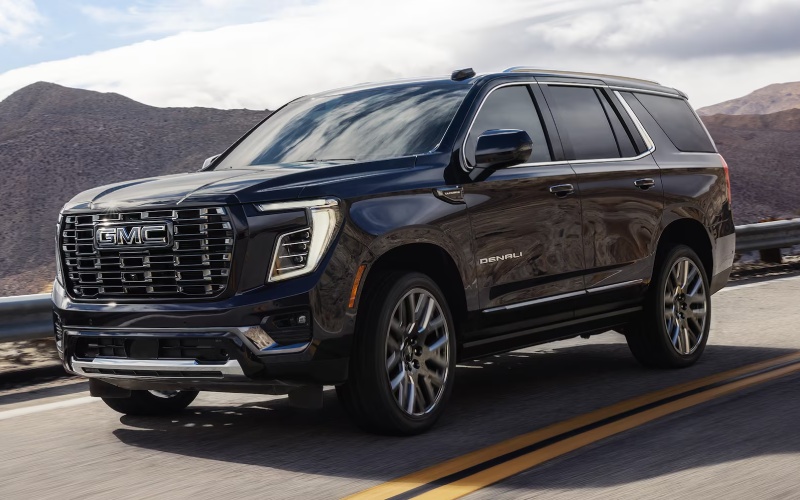
Alpine Buick GMC – Shop Smart, Drive Confident — GMC Dealer near Denver, CO
Welcome to Alpine Buick GMC — your GMC Dealer near Denver, CO with a people-first approach, convenient metro access, and a team dedicated to making every step of your journey clear and comfortable. Our mission is simple: listen first, guide with respect, and deliver an experience that makes you confident before, during, and long after the sale. From everyday commuters navigating I-25 and US-285 to families planning weekend escapes into the foothills, we tailor our process and recommendations to how you actually drive around Denver.
As a locally owned dealership built on trust and community commitment, we believe exceptional service starts with genuine care. We’re here to help you find the right vehicle, streamline financing, simplify your trade-in, and set you up for success with Certified Service and factory parts down the road. When you’re ready to explore, we’re easy to reach from downtown, DTC, and the broader metro — and we proudly welcome shoppers from across the region, serving Thornton, Castle Rock, and Aurora.
Why Denver drivers choose our dealership
Our team is rooted in the neighborhoods we serve and reflects the community’s diversity and energy. That matters — because the best guidance comes from people who understand where you’re going, whether that’s a daily run up I-25, tight parking downtown, or a quick turn toward E-470 and the high country. We combine that local knowledge with a modern, transparent process that respects your time and sets clear expectations at every step.
- Personalized guidance: We match vehicles and features to your driving patterns — city commutes, weekend towing, or mountain mileage.
- Streamlined test drives: Try real Denver routes to feel ride quality, visibility, and highway merge confidence.
- Flexible financing: Online pre-approval and tailored options designed around your goals and timeline.
- Simplified trade-ins: Quick appraisals and clear steps so you can move forward without guesswork.
- Certified Service support: Factory-trained technicians, Multi-Point Vehicle Inspection, and GM Genuine Parts & ACDelco parts.
We also help you make sense of modern driver-assistance and capability features. From High Definition Surround Vision that eases downtown parking to ProGrade Trailering tools that simplify hitching and confidence on I-70 grades, we explain technology in everyday language and show you how to get the most out of it on day one.
An inventory approach built around Colorado life
Our selection is designed for Denver’s varied driving — compact SUVs that make city parking easier, three-row family movers for school and sports schedules, midsize and full-size trucks for projects and towing, and advanced options with features like the MultiPro Tailgate, CarbonPro bed material, Google built-in, and available Super Cruise® on select GMC models. If you’re considering EVs, we can walk you through what charging looks like at altitude, typical range considerations, and home setup best practices.
When you test drive with us, we’ll help you sample a mix of surface streets and highways to assess visibility, lane-change confidence, braking feel on mild descents, and cabin quiet for the commute. We’ll also talk through cargo flexibility for ski runs, bikes, or camping kits, and how driver-assistance technologies can reduce daily fatigue.
Financing made straightforward and respectful
Financing should never feel complicated or stressful. Start with a quick online pre-approval, bring your questions, and our finance team will walk through options in plain language. We work with GM Financial and Colorado lending partners to help you feel confident about monthly payments and long-term ownership. Whether you’re building credit or maintaining a stellar score, our focus is the same — align your plan with your priorities and your budget.
- Online pre-approval: Begin from home and save time at the dealership.
- Local lending network: Access to competitive options through Colorado banks and credit unions.
- Clear, step-by-step process: No confusion — just transparent explanations and next steps.
- Protection options: Vehicle service contracts, coverage packages, and care plans explained without pressure.
At Alpine Buick GMC, we also offer digital tools like a payment calculator to help you understand estimated buying power before you visit. Prefer to complete more of your purchase online? We can accommodate a hybrid or mostly remote process and finalize in-store when you’re ready to sign and drive.
Trade-in made simple — so you can move forward faster
Trading in should be quick and clear. Bring your current vehicle, and our team will complete an on-site appraisal, review the vehicle’s condition with you, and provide a value estimate aligned with current market factors. We’ll show exactly how your equity applies toward your next vehicle and answer questions about timing, paperwork, and payoff details if you still have a lien.
- Get an instant estimate online to set expectations before you arrive.
- Visit for a fast in-person appraisal with a walkaround and feature check.
- Review your trade-in offer and next steps — you decide how to proceed.
- Apply equity toward your next vehicle for a clean, streamlined handoff.
If you prefer to sell outright rather than trade, we can discuss options and timing so you choose the path that’s best for you.
Certified Service, Genuine Parts, and everyday convenience
Keeping your vehicle ready for daily life around Denver starts with consistent care. Our Certified Service technicians know Buick and GMC inside and out — from oil changes and brake service to tires, alignments, and battery checks. We use GM Genuine Parts and ACDelco parts where appropriate, and every visit can include a Multi-Point Vehicle Inspection to help you stay ahead of maintenance.
We’ll also help you choose the right tires for altitude and changing road surfaces, set recommended rotation intervals, and discuss alignment checks if you notice pulling or vibration after a run over expansion joints or a stretch of rough pavement. Schedule online at your convenience, and we’ll keep you rolling with confidence.
Technology and capability — explained for real-world use
Modern vehicles are packed with features that shine across the Denver metro. We’ll set up your profiles, connect your phone, and personalize settings so your vehicle is ready on day one. If your model includes Super Cruise®, we’ll explain how hands-free driving works on compatible roads and the best practices for I-25 traffic. If you tow on weekends, we’ll walk you through ProGrade Trailering checklists, camera views, and trailer profiles. If tight parking is your norm, we’ll show you how High Definition Surround Vision and available parking assist features can take the edge off every garage entry and curbside stop.
Prefer a curated online experience? We can send tailored walkaround videos, highlight key features for your must-have list, and set up a test drive designed around your schedule.
Frequently Asked Questions:
Where are you located relative to downtown Denver?
We’re an easy drive from downtown, the Denver Tech Center, and major corridors like I-25 and C-470, making test drives and service visits simple to schedule around work and family life.
Can I start my purchase online and finish in-store?
Yes. Begin with online pre-approval, request a personalized walkaround video, and lock in a test drive time. We’ll complete paperwork in person at your pace.
Do you offer Certified Pre-Owned options?
Yes. We carry factory-backed Certified Pre-Owned Buick and GMC vehicles with thorough inspections and added confidence benefits. Ask our team for today’s selection and certification details.
How do trade-in appraisals work?
Start with an online estimate, then visit for a quick in-person appraisal. We’ll review condition, features, and market data, then show how your equity applies to your next vehicle.
Can you help set up Super Cruise® or Google built-in before I leave?
Absolutely. We’ll personalize your settings, review feature basics, and share helpful tips for Denver highways and your daily routes.
Do you work with local lenders and credit unions?
Yes. Our finance team partners with GM Financial and Colorado banks and credit unions to offer a range of competitive options designed around your goals.
From start to finish, our promise is the same — clear information, respectful guidance, and support you can rely on. Whether you’re test-driving an SUV for downtown parking ease, exploring a truck for mountain towing, or simply getting ready for the next chapter in your driving life, our team is here to help make every decision easier.
If you want a dealership that shares your values — Built on Trust, Powered by People, and Committed to Community — you’ll feel right at home with Alpine Buick GMC. We’re ready to answer questions, set up a tailored test drive, or explain how our service team keeps you road-ready year round.
Request more information, schedule a test drive, or start your pre-approval today — and let Alpine Buick GMC show you what a confident, convenient, and truly local car-buying experience can be.
We look forward to meeting you, earning your trust, and helping you enjoy every mile around Denver and beyond. When you’re ready, connect with Alpine Buick GMC and let’s get started.
Request more information

Alpine GMC – Which truck has the smarter trailering cameras for Colorado towing — 2026 GMC Sierra 2500 HD or 2026 Ford Super Duty F-250 near Denver, CO?
When drivers start comparing heavy-duty pickups for real Colorado towing, the same question pops up early: which camera system actually makes the job easier? If you tow regularly—contractor trailers during the week, a fifth-wheel on the weekends—you know the right view at the right moment can be the difference between a smooth setup and a sweaty, multi-try shuffle. Let’s go deep on the camera tech and trailering tools that set the tone for confident towing in the 2026 GMC Sierra 2500 HD and the 2026 Ford Super Duty F-250.
Why camera coverage matters in Colorado
From jobsite access off gravel spurs to angled campground slots under pine cover, Colorado towing is a constant mix of tight approaches and variable sightlines. The best systems go beyond a single 360-degree view. They layer specialized perspectives—hitch close-ups, bed views to watch gooseneck hardware, and advanced angles that help you see traffic alongside a long trailer—so you can make decisions without second-guessing.
Both trucks bring helpful visibility. Ford’s Super Duty F-250 offers a 360-degree camera, Trailer Reverse Guidance, and helpful towing tech like Pro Trailer Backup Assist™ and Pro Trailer Hitch Assist™. GMC stacks the deck with up to 14 available camera views on Sierra HD, including HD Surround Vision and Transparent Trailer View—a feature that virtually “sees through” the trailer to reveal what’s behind you. Pair that with a Bed View Camera, Hitch Guidance with Hitch View, and side views calibrated for longer trailers, and Sierra gives drivers a comprehensive, situational perspective every time the truck moves.
Transparent Trailer View: The feature that changes everything
Transparent Trailer View is one of those features that’s tough to un-see after you’ve tried it. Using camera stitching and processing, it can make the trailer appear see-through on the screen, showing you vehicles, obstacles, or lane lines directly behind the rig. On busy stretches of I-25 or when threading through a crowded fueling station, this view reduces anxiety, helps you maintain lane discipline, and cuts down on those “Is anyone back there?” moments.
Ford’s F-250 delivers genuinely helpful towing aids, and for many drivers those are enough for daily tasks. But if you’re pulling longer or taller trailers around mountain traffic or through complex parking lots, Transparent Trailer View on the Sierra HD becomes a distinct advantage.
Visibility while moving, not just while parking
Hookup views are crucial, but so is real-time visibility on the move. GMC’s camera suite on Sierra HD is designed to deliver confidence when merging, changing lanes, or monitoring a gooseneck’s articulation over rutted surfaces. HD Surround Vision and side blind-zone views calibrated for trailers help you spot fast-approaching traffic that may be hidden in standard mirrors.
Ford’s tools shine for controlled maneuvers, especially backing with guidance cues. Sierra’s camera and sensing depth simply covers more driving scenarios—a meaningful difference when you’re hauling a camper down to the Arkansas River corridor or threading a contractor trailer into a narrow alley off Colfax.
Trailering tech and driver-assistance: The supporting cast
Cameras are the centerpiece, but the supporting systems amplify their value. Sierra HD offers the ProGrade® Trailering System with the In-Vehicle Trailering App, unifying trailer profiles, checklists, and diagnostics. Add available Super Cruise® with trailering and you get hands-free confidence on compatible highways—something Ford does not offer on Super Duty at this time. Ford counters with robust tools like Onboard Scales with Smart Hitch, and it’s a well-thought-out suite, but the GMC’s integrated approach helps reduce the mental load during longer towing stints.
Which setup fits your trailering routine?
Think about your most frequent scenarios. Do you regularly back into angled driveways, weave through crowded lots, or navigate multi-lane merges with limited on-ramps? Sierra HD’s Transparent Trailer View and expansive camera coverage may feel indispensable. If you mostly tow shorter distances with frequent parking maneuvers, Ford’s guidance tools will still help but won’t match the Sierra’s through-the-trailer perspective on busier roads.
Key takeaways for camera tech and towing
- Transparent Trailer advantage: Sierra HD’s Transparent Trailer View helps with lane discipline, merging, and seeing fast-approaching vehicles hidden by tall or long trailers.
- More angles, fewer guesses: Up to 14 available views—HD Surround Vision, Bed View, Hitch View—cover common towing moments from setup to lane changes.
- Trailering integration: ProGrade® Trailering with the In-Vehicle Trailering App centralizes profiles and checklists, cutting setup time and errors.
- Highway confidence: Available Super Cruise® with trailering takes stress off long highway legs; Ford Super Duty does not offer hands-free BlueCruise on Super Duty.
Frequently Asked Questions:
Does the Sierra HD’s Transparent Trailer View work with any trailer?
It’s designed to work with compatible trailer and camera configurations. During setup, you’ll input trailer dimensions and follow prompts to calibrate the system for that trailer. Once configured, the view can “stitch” a see-through image behind the trailer in many common driving conditions.
Can I still use the camera views while driving, not just when parked?
Yes. Select camera views—such as side views and Transparent Trailer View—are available while driving to support maneuvers like lane changes and merging. The system prioritizes safe operation and will limit or adjust views based on speed and conditions.
How does Super Cruise® with trailering help on long trips?
On compatible roads, Super Cruise® allows hands-free driving even while towing, helping reduce fatigue when you’re covering a lot of highway miles. The system works with the camera and sensing suite to maintain lane position and following distance, making long stints more manageable.
If you’re fine-tuning a heavy-duty setup for mountain grades and crowded Front Range thoroughfares, a live demo of Sierra HD’s camera views can be eye-opening. Visit a knowledgeable team, explore Transparent Trailer View along with HD Surround Vision and Hitch View, and bring the trailer measurements you use most to see how quickly the systems calibrate. For a seamless experience and clear, local guidance, Alpine Buick GMC is serving Denver, Thornton, and Castle Rock with side-by-side walkarounds that spotlight exactly how each tool helps on your routes.
Request more 2026 GMC Sierra 2500 HD information
Which SUV offers smarter camera tech for tight parking—2026 GMC Terrain or 2026 Honda CR-V around Denver, CO?

Alpine GMC – Which SUV offers smarter camera tech for tight parking—2026 GMC Terrain or 2026 Honda CR-V around Denver, CO?
Parking in dense city areas can be the most stressful part of the drive, especially when visibility gets pinched by tall curbs, SUVs on either side, and quick foot traffic cutting behind your bumper. That is why so many shoppers ask a focused question: Which SUV delivers camera technology that actually makes tight parking less tedious—the 2026 GMC Terrain or the 2026 Honda CR-V—around Denver, CO? Both nameplates have strong safety suites and clear backup views. The differences show up in how completely each system helps you see around the vehicle at low speeds and how naturally the cabin technology integrates into the way you already park.
What visibility tools matter most at low speeds
The most helpful tools are the ones you use every day without thinking. A crisp central screen with an intuitive interface makes a big difference as you angle into spots or parallel park. GMC’s available High Definition Surround Vision gives you a 360-degree view stitched from multiple cameras, so you can see curbs, lines, and cross-traffic with remarkable clarity. The available Rear Camera Mirror adds another layer of awareness—flipping the mirror into a live video feed that clears headrest and pillar obstructions. The Honda CR-V provides a clear multi-angle rearview camera and helpful parking guidelines, and its Honda Sensing® suite supports you with audible and visual alerts. Where the Terrain pulls ahead is in that full wraparound perspective and the additional rear video mirror when equipped—two upgrades that take guesswork out of the final few feet.
Big-screen usability vs. small-screen compromise
Screen size and layout matter when you are glancing back and forth between mirrors, the windshield, and the center display. The Terrain’s standard 15-inch diagonal Premium GMC Infotainment System creates a wide canvas for camera feed, trajectory lines, and proximity cues. It is easier to read at a glance and easier to share with a front passenger who might be helping you spot a tight curb. The CR-V’s 9-inch touch-screen is responsive and sensibly organized, and wireless phone integration is standard—which is great for daily use. But in the context of careful maneuvering, more pixels and physical screen space translate into faster, more confident decisions, especially in cramped city garages and quick curbside stops.
Low-speed control and curb protection
In addition to what you can see, how the SUV meters out torque and braking at very low speeds affects how stress-free your parking routine feels. The Terrain’s chassis calibration and available drive modes help keep motion smooth and predictable, and when you choose AT4, the low-speed Terrain mode is engineered for careful crawls over rough surfaces. That same steadiness pays dividends in angled urban driveways and rutted alley parking. The CR-V TrailSport Hybrid responds capably in low-speed maneuvers, and its Real Time AWD™ supports traction in slippery conditions. Where the Terrain’s feature set gains another point is the integration of high-clarity cameras with the Rear Camera Mirror—giving you a more complete picture as you feather the throttle and brake.
Daily comfort that complements parking tech
Comfort features may not sound like parking helpers, but a calmer cabin leads to more precise inputs. The Terrain’s available ventilated front seats and heated rear outboard seats keep the cabin relaxed in every season, and the panoramic sunroof—when equipped—brings more ambient light into the interior, which can reduce eye strain during evening parking in covered structures. Honda’s available leather-trimmed seating, heated fronts, and premium audio on upper trims are excellent, and the one-touch moonroof brightens the cabin. If you prioritize interior features that pair with camera tech to reduce day-to-day friction, the Terrain checks more boxes in one build.
How to test the camera systems like a pro
Before you decide, try a simple, structured test drive that focuses on the tools you will use most in the city.
- Find a tight spot: Choose a parking space with curbs on both sides or a parallel spot on a side street.
- Engage all views: Cycle through camera angles and, on Terrain, toggle the Rear Camera Mirror to compare sightlines.
- Practice the final two feet: Ease in and out, watching guidelines and clearance markers as you stop just before the curb.
- Check reflection and glare: Park at dusk and in a lit garage to see which display remains easiest to read.
- Repeat with a helper: Ask a friend to spot you and see how quickly you collaborate with each system’s visuals.
Feature highlights that answer the Denver parking question
- 360-degree visibility: Terrain’s available High Definition Surround Vision offers a stitched top-down view that reveals curbs and obstacles a traditional rear camera misses.
- Rear Camera Mirror advantage: The Terrain’s available live video mirror clears headrest and pillar obstructions, especially helpful with passengers and cargo.
- Big-screen clarity: A standard 15-inch infotainment display maximizes camera image size for quick, confident reads while maneuvering.
- Low-speed control: AT4’s Terrain mode adds confident crawl control that also feels great in angled driveways and narrow garages.
- CR-V strengths: A multi-angle rearview camera, wireless smartphone integration, and Honda Sensing® deliver consistent, helpful support.
Frequently Asked Questions:
Does the 2026 Honda CR-V offer a 360-degree camera?
No. The CR-V provides a multi-angle rearview camera with helpful guidelines, but not a 360-degree surround view. The 2026 Terrain, when equipped with High Definition Surround Vision, does provide that top-down perspective.
Is the Terrain’s Rear Camera Mirror useful if I already have a backup camera?
Yes. The Rear Camera Mirror gives you a wide, unobstructed video view behind the vehicle, independent of the center display’s camera feed. It remains valuable even with passengers or tall cargo blocking a traditional mirror.
How big is the Terrain’s screen compared to the CR-V’s?
The Terrain includes a standard 15-inch diagonal infotainment display, while the CR-V uses a 9-inch touch-screen. The larger display can make camera guidelines and proximity markers easier to see and interpret.
Do both SUVs offer wireless phone charging?
Yes. The Terrain offers wireless charging on select trims and packages, and the CR-V lists a wireless phone charger as standard across the lineup.
Which is better for winter parking and slick alleys?
Both have available all-wheel drive for traction. The Terrain’s selectable drive modes—and AT4’s low-speed Terrain mode—add nuanced control, which is beneficial in icy, uneven, or angled parking areas.
When you weigh the question that Denver drivers keep asking—Which SUV offers smarter camera tech for city parking—the Terrain’s available 360-degree view, Rear Camera Mirror, and expansive display deliver a notably calmer, clearer experience. That combination is why many urban and near-urban shoppers gravitate toward GMC’s small SUV after testing both systems back-to-back. If you want a single vehicle that makes the tightest spaces feel routine, the Terrain’s visibility story is compelling.
Alpine Buick GMC is proud to support shoppers comparing these two compact SUVs—serving Denver, Thornton, and Castle Rock with professional guidance that stays grounded in how you really drive. If your short list centers on visibility and low-speed ease, start your test drives with the Terrain’s camera suite and cabin layout. The differences show up in the final two feet.
Request more 2026 GMC Terrain information
Westminster, CO Daily-Driver Deep Dive — 2026 Buick Encore GX Cabin Tech That Simplifies Every Trip
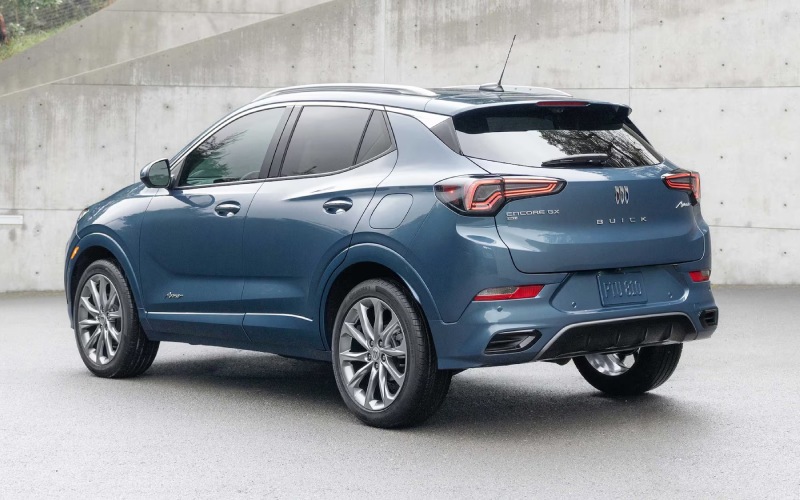
Alpine Buick – Westminster, CO Daily-Driver Deep Dive — 2026 Buick Encore GX Cabin Tech That Simplifies Every Trip
The 2026 Buick Encore GX blends approachable size with impressive technology, and that makes it a great fit for Westminster, CO commuters who prize stress-free usability. Between the Ultrawide 11-inch diagonal infotainment display and the reconfigurable 8-inch Driver Information Center, you get a streamlined cockpit that puts key info right where you expect it—without clutter or distraction. Add in wireless Apple CarPlay® and wireless Android Auto™ compatibility, and you have an everyday setup that keeps your navigation, calls, and playlists in view while you focus on the road.
What stands out most in day-to-day driving is how the Encore GX lowers your tech learning curve. There is no fighting through complex menus to pair a phone, and no digging for cables to launch your favorite apps. The larger screen makes on-screen buttons easier to tap, reduces mis-inputs, and keeps maps legible at a glance. Whether you are rolling along Sheridan Boulevard or easing into a tight spot near Westminster City Park, the Encore GX’s right-sized footprint and clean interface help each drive feel less hectic and more intuitive.
What the Dual-Display Setup Does Better
Buick’s pairing of an 11-inch diagonal infotainment display with a reconfigurable 8-inch Driver Information Center addresses two common pain points: reach and redundancy. The main screen handles things you touch—phone, audio, maps—while the Driver Information Center displays items you check repeatedly—speed, range, turn prompts—closer to your line of sight. That split makes your interactions more deliberate and less distracting, which is the point of good in-car tech.
- Main screen purpose: Large, responsive interface for maps, media, and vehicle settings
- Driver Information Center: Quick-glance essentials that reduce time with your eyes off the road
- Wireless connectivity: Launches apps faster and cuts cable clutter
- Everyday clarity: Larger icons and text improve accuracy and comfort
For Westminster, where traffic can bunch up around US-36 or Federal Boulevard, that simple, legible presentation pays dividends. You can keep navigation cues up front and center, then let the main screen handle route changes or quick audio adjustments without feeling overwhelmed.
Comfort and Convenience You Notice Right Away
The Encore GX’s tech story continues with sensible touches throughout the cabin. Material choices and trim distinctions make it easy to tailor your environment: cloth with leatherette in Preferred, leatherette with Santorini Blue accents in Sport Touring, or perforated leather-appointed seating with unique quilted stitching in Avenir. The result is a personal, polished feel, not a one-size-fits-all cabin.
- Hands-free access: Available hands-free power liftgate on Avenir makes grocery runs easier
- Seating variety: Choose materials and accents that match your style and use case
- Flexible cargo: Flat load floor helps with bulky items or weekend gear
- Calm cabin: Buick’s emphasis on quiet adds a touch of luxury to daily driving
When your errands take you from Westminster Promenade to local markets and back again, those small conveniences stack up. The Encore GX’s available hands-free power liftgate helps when you are balancing bags and car seats, and the cargo area’s simple versatility makes quick work of everyday tasks.
Safety Tech That Supports Daily Confidence
Every 2026 Encore GX includes Buick Driver Confidence—everyday technologies designed to help you avoid surprises and stay focused. Automatic Emergency Braking, Lane Keep Assist with Lane Departure Warning, Following Distance Indicator, and IntelliBeam Auto High Beams offer reassurance across neighborhood streets and multi-lane roads alike. It is an unobtrusive setup that complements your awareness rather than flooding you with alerts.
Because these features come standard, you don’t have to puzzle through packages just to reach a baseline of confidence. If you want to explore additional driver assistance content, we will walk you through what’s available by trim and configuration so you can build a setup that fits your needs without guesswork.
Is All-Wheel Drive Worth It for Westminster?
The Encore GX offers available All-Wheel Drive for added traction and stability. For many Westminster drivers, the value of AWD shows up in small but meaningful ways—steadier getaways on slick pavement, a calmer feel when accelerating from side streets, and extra peace of mind when the weather changes on your way over to Standley Lake. Because the Encore GX is already easy to place and park, AWD simply layers on confidence without making the vehicle feel bulky or heavy.
If you’re comparing trims, keep your drive patterns in mind. Those who regularly venture beyond city streets or head out along US-36 for weekend plans may appreciate the extra grip. If your driving is mostly in-town at lower speeds, you might prioritize cabin appointments or the hands-free liftgate instead. We can help you test both setups back to back.
Frequently Asked Questions:
Does the 2026 Encore GX require a wired connection for Apple CarPlay or Android Auto?
No. Wireless Apple CarPlay® and wireless Android Auto™ compatibility are supported, so you can keep your phone in a pocket or bag without sacrificing connectivity.
Is the hands-free power liftgate available on every trim?
The hands-free power liftgate is available on Avenir. If it is a must-have, we will show you how it works and outline other convenience features you may want to pair with it.
What’s the benefit of the reconfigurable 8-inch Driver Information Center?
It places key data—like speed and turn-by-turn prompts—closer to your natural line of sight, helping reduce glances away from the road and simplifying your mental workload during busy drives.
How does the Encore GX feel in tight parking around Westminster Promenade?
Its right-sized footprint and clear sightlines make it easy to maneuver. The steering is tuned to feel light at low speeds, so curbside spots and garage ramps are less stressful.
Is All-Wheel Drive necessary for daily commuting?
It depends on your routes and preferences. Available AWD adds traction and confidence, particularly when the surface is slick. We recommend a test drive on your typical commute to experience the difference firsthand.
From its Ultrawide 11-inch diagonal infotainment display to available All-Wheel Drive and trim-specific comforts, the 2026 Buick Encore GX focuses on clarity and everyday utility. That makes it a smart fit for Westminster’s mix of neighborhood streets, shopping destinations, and quick highway links. If you want a small SUV that keeps your daily routine simple and your cabin uncluttered, the Encore GX deserves a spot at the top of your list.
Visit us to explore the lineup, test key features on routes that mirror your day-to-day, and compare trims side by side. Alpine Buick GMC is serving Boulder, Arvada, and Westminster, and we are ready to help you choose the Encore GX configuration that fits your life—without overcomplicating the process.
Request more 2026 Buick Encore GX information
Alpine GMC – Which truck’s bed tech fits Colorado life better — the 2026 GMC Sierra 1500 or the 2026 Ford F-150 around Castle Rock, CO?
When shoppers compare the 2026 GMC Sierra 1500 and the 2026 Ford F-150, one question keeps coming up: Which bed and cargo systems actually make day-to-day life easier around Castle Rock, CO? Between home projects, weekend getaways along US-85, and trail runs toward Rampart Range, a truck’s bed isn’t just a box—it is your mobile workbench, loading dock, and gear locker. The Sierra 1500 leans into that reality with an available CarbonPro® composite bed that shrugs off dents and corrosion, plus the MultiPro™ six-function tailgate that can turn seconds of bending and stretching into quick, pain-free access. Ford counters with the Pro Access Tailgate and a range of accessories, but the way Sierra’s hardware stacks together—load stop, step, work surface, camera views, and bed-integrated audio—adds up to a day that runs more smoothly.
What makes the Sierra’s bed different?
Start with the material. The CarbonPro® bed is built from a carbon-fiber composite engineered to resist dents, scratches, and corrosion. It is tough when you toss in paver stones, forgiving for bikes and coolers, and light enough to preserve payload potential. Ford’s aluminum bed is sturdy and has a reputation for strength, but it does not offer a composite alternative in this class. Add in Sierra’s best-in-class short bed cargo volume when equipped with CarbonPro, and you have space that swallows bulky weekend gear without a wrestling match. Then there is access: the MultiPro™ tailgate offers six configurations, including a full-width step sturdy enough for repetitive in-and-out loading, a load stop for longer lumber, and a work surface that supports a laptop, plans, or a miter saw. Ford’s Pro Access Tailgate opens wide to get you closer to the bed floor, and it is genuinely handy when hitched. The difference is in the number of ways Sierra helps you set up for the job in front of you.
How do cameras, trailering tools, and apps change the routine?
Bed tech isn’t isolated from the rest of the truck. With the Sierra, an available bed-view camera and a surround-view system help you spot a sliding box, line up with a tongue, or confirm everything is strapped down before you pull onto Founders Parkway. GMC’s ProGrade® Trailering System folds in hitch guidance, a pre-departure checklist, trailer light tests, tire pressure monitoring on compatible trailers, and more. Ford fights back with Pro Trailer Backup Assist and a strong camera suite, so both trucks deliver meaningful help. The Sierra’s in-vehicle Trailering App, paired with the large 13.4-inch Premium GMC Infotainment System and Google built-in compatibility, makes the setup feel intuitive: create profiles, check statuses, and keep your towing plan in view while nav guidance and music stay close at hand.
Everyday utility: who does the little jobs better?
Imagine a Saturday run to pick up planters and mulch near downtown Castle Rock. Sierra’s step opens in seconds, and the secondary inner gate structure becomes a waist-high shelf for a handheld blower while you load bags beneath. The CarbonPro surface is less prone to scuffs from rough bag corners, and the tie-downs make quick work of bungees over a late-add patio set. Ford’s Pro Access Tailgate reduces reach-in distance nicely and gives you quicker bed-floor access when you have a trailer coupler behind you—useful at a boat ramp. The Sierra responds with the MultiPro Tailgate Audio System by KICKER®, a surprisingly practical touch at kids’ practice or a family park day: no setup, no Bluetooth speaker to charge, just tap and play.
Bed systems and off-road life
Head south of town on dirt and your bed earns its keep. In Sierra AT4 or AT4X, skid plates and recovery hooks match the bed’s durability; you can toss in traction boards without fretting over gouges. AT4X goes further with Multimatic® DSSV dampers and both front and rear electronic locking differentials, reinforcing that this is a truck built to work and explore. Ford’s Tremor and Raptor lines remain strong desert and trail performers, with their own shock and tire packages. Still, if you want off-road suspension plus the MultiPro™ tailgate and an available CarbonPro® bed for everyday hauling, Sierra blends the two sides of truck life with fewer compromises.
What about tech and charging in the bed?
Powering tools matters. GMC sets you up with in-bed tie-downs, lighting, and accessory options that support jobsite needs. The larger infotainment screen, Google built-in compatibility, and an available 15-inch Head-Up Display inside the cabin keep important data visible and accessible while you coordinate the work. Ford brings useful bed lighting and power options as well. Where the Sierra feels a step ahead is the way bed access, camera views, and cab tech combine into a single, easy-to-use flow.
If you are weighing these two trucks on the strength of their bed and cargo systems, here is a quick comparison at a glance.
- Bed construction: Sierra’s available CarbonPro® composite resists dents and corrosion; F-150 uses aluminum without a composite option in this class.
- Tailgate functionality: Sierra’s MultiPro™ tailgate has six configurations; F-150’s Pro Access Tailgate swings wide for closer reach.
- Cargo volume: Sierra offers best-in-class short bed cargo volume with CarbonPro; F-150’s short bed is competitive but smaller.
- Bed-view support: Sierra’s bed-view camera and integrated trailering app simplify loading and hookup; F-150 counters with strong trailering camera features.
- Audio and extras: Sierra’s available KICKER® bed audio is built into the MultiPro tailgate; F-150 relies on portable solutions.
Of course, there is more to truck ownership than a tailgate and bed walls. The way Sierra’s interior calms the cabin, the best-in-class standard torque from the TurboMax™ engine, and the availability of a quiet, smooth Duramax® 3.0L Turbo-Diesel round out a package that feels cohesive for Colorado life. Ford’s F-150 carries clear strengths across powertrain options, and its Pro Access Tailgate feature is genuinely helpful with a trailer in place. When your daily checklist ranges from school pick-up to a quick materials run to an evening trail lap, the Sierra’s bed tech and integrated tools save time—and backs—day after day.
Curious how this translates to your specific routine—commuting, towing frequency, and garage space? We can help you map the right configuration and accessories so your bed system, camera suite, and storage all match how you actually use your truck. Alpine Buick GMC, serving Denver, Thornton, and Castle Rock, can walk you through the tailgate functions in person so you can see which setups solve your real-world tasks fastest.
Frequently Asked Questions:
Does the Sierra’s MultiPro™ tailgate work when I’m hitched to a trailer?
Yes, several MultiPro configurations are useful with a trailer attached, including the inner gate that folds down for a closer work surface. For full drop-down, check your coupler clearance before opening.
Is the CarbonPro® bed slippery when wet?
CarbonPro is engineered for durability and grip. Like any bed surface, moisture and fine dust can reduce traction, so we recommend using the tie-downs and bed mat accessories for added security with slick cargo.
Can I retrofit KICKER® MultiPro tailgate audio later?
In many cases, yes. We can review your truck’s VIN and trim to confirm compatibility and get you the right accessory kit—and we will show you how it integrates with the tailgate controls.
How does Sierra’s bed volume compare to the F-150 with a 5.5-foot box?
When equipped with the CarbonPro® bed, Sierra offers best-in-class short bed cargo volume. That gives you a bit more usable space for coolers, toolboxes, and tall items that benefit from extra width.
Which camera views help most for loading alone?
The bed-view camera lets you confirm cargo position and tie-downs without jumping in and out. The surround-view system is helpful in tight driveways or angled on-street parking when you want to avoid curbs and branches.
Request more 2026 GMC Sierra 1500 information
Connect with us


- Alpine Buick GMC
- Alpine Buick GMC Service
- Buick Dealer
- Buick Enclave
- Buick Encore GX
- Buick Envision
- Buick Envista
- Buick GMC Dealer
- Buick GMC Service
- Electric Vehicles
- GMC
- GMC Acadia
- GMC Canyon
- GMC Dealer
- GMC Sierra 1500
- GMC Sierra 1500 Denali
- GMC Sierra 1500 Denali Ultimate
- GMC Sierra 2500 HD
- GMC Terrain
- GMC Yukon
- GMC Yukon Denali
- GMC Yukon XL
- Littleton Buick Dealer
- Littleton Buick Service
- Littleton GMC Dealer
- Littleton GMC Service
- Littleton Used Cars
- vehicle financing