


Blog / vehicle financing

Blog

All vehicle financing Alpine Buick GMC Littleton GMC Dealer GMC Sierra 1500 GMC Terrain GMC Sierra 2500 HD Buick Envista Littleton Buick Dealer GMC Dealer GMC Acadia Alpine Buick GMC Service Buick Encore GX Buick Envision GMC Canyon GMC Yukon GMC Yukon XL Buick Dealer Buick Enclave Littleton Buick Service Littleton GMC Service GMC GMC Sierra 1500 Denali GMC Sierra 1500 Denali Ultimate Littleton Used Cars Buick GMC Service Buick GMC Dealer Electric Vehicles GMC Yukon Denali
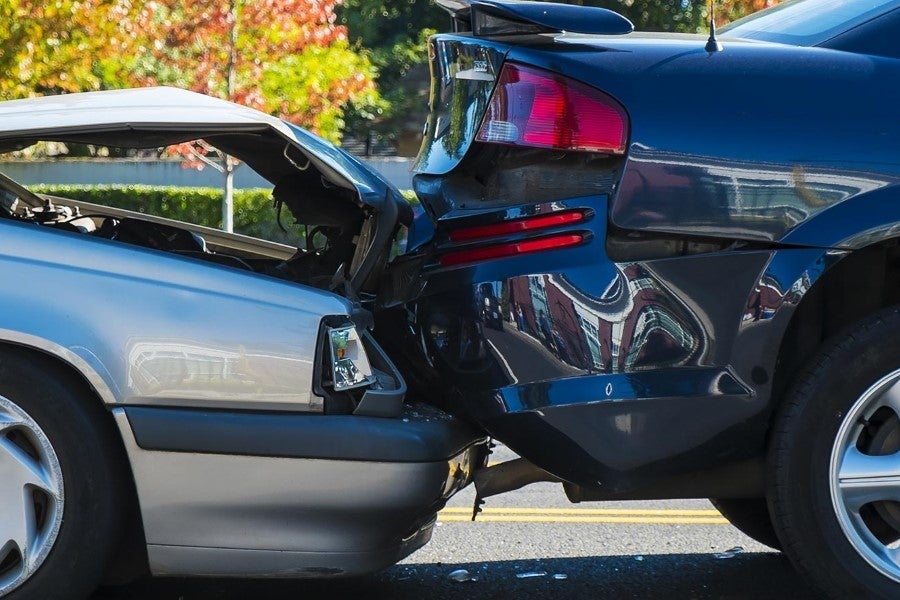
Gap Insurance - Image of two vehicles in a rear-end collision

Gap Insurance FAQ: Understanding Car Accident Insurance

Car accidents are unpredictable, and the aftermath often leaves drivers asking, “Will my car insurance cover all the costs?” For drivers in Littleton, CO, understanding how standard car accident insurance works — and when gap insurance becomes essential — can provide important financial protection. This FAQ breaks down the key information you need to make confident decisions. What Is Car Accident Insurance? “Car accident insurance” refers to the coverage types that protect you financially in the event of a collision or unexpected damage. Most policies include: more Liability coverage — Pays for injuries or property damage you cause to others. Collision coverage — Pays for damage to your vehicle from accidents, regardless of fault. Comprehensive coverage — Covers non-collision incidents such as weather damage, theft, vandalism, or falling objects. Drivers in Littleton, CO should periodically review their policies to ensure they have the protections they need, particularly if they recently purchased or financed a new vehicle like a GMC Sierra 1500 or GMC Terrain. What Is Gap Insurance and Why Do You Need It? Gap insurance (Guaranteed Asset Protection) covers the difference between your vehicle’s actual cash value (ACV) and the remaining balance on your loan or lease if your vehicle is totaled. This matters because new vehicles depreciate quickly, sometimes faster than you can pay down the loan. Gap coverage is especially important for: Newly financed vehicles Leased vehicles High loan-to-value loans (little or no down payment) Does My Car Insurance Cover All Accidents? Not always. Your policy determines your coverage limits. Standard car accident insurance typically covers: Collisions with vehicles or objects Rollovers Damage caused by other drivers (depending on fault and coverage type) However, some situations may not be covered, including: Intentional or reckless actions Damage exceeding policy limits Non-collision events without comprehensive coverage Drivers in Littleton, CO — especially those operating higher-value models like the GMC Sierra HD or Yukon Denali — should confirm that their policies offer enough coverage to replace their vehicle at current market value. How Does Gap Insurance Work in a Car Accident? Gap insurance always works in addition to your standard auto insurance. Here’s what happens in a total loss: Your primary insurance pays the vehicle’s ACV. Gap insurance pays the remaining loan or lease balance. Example: If your GMC Acadia is totaled and insurance pays $30,000 — but your loan balance is $36,000 — gap insurance covers the $6,000 difference. Gap insurance does not cover: Your deductible Negative equity from rolled-over loans Repairs for non-total-loss accidents When Should You Get Gap Insurance? Gap insurance is strongly recommended if: You purchased a new or nearly new vehicle You made a small or no down payment Your vehicle depreciates quickly (common with high-value SUVs and trucks) You are leasing — most leases require gap coverage For shoppers in Littleton, CO, adding gap insurance when purchasing from Alpine Buick GMC can provide valuable protection against unexpected financial loss. Explore Your Insurance and Vehicle Options at Alpine Buick GMC Gap insurance can be the difference between walking away from a total loss with peace of mind — or being left with thousands in remaining loan payments. If you're in Littleton, CO and want to protect your investment, Alpine Buick GMC can guide you through your vehicle options and help you understand the insurance considerations that matter most. Visit Alpine Buick GMC to explore your next vehicle and learn how to safeguard your purchase with the right insurance coverage.

How Do Credit Scores Factor into Car Buying? Understanding the Role of Credit in Financing Your Vehicle

When it comes to buying a car, your credit score plays a crucial role in the financing process. Whether you’re considering a new or pre-owned vehicle at Alpine Buick GMC, understanding how your credit score impacts your ability to secure financing can help you navigate the car-buying process with confidence. A good credit score can open doors to favorable loan terms, while a lower score may present challenges that could affect your monthly payments and interest rates. In this blog, we’ll explore how credit scores affect car buying, how you can improve your score, and what it means for your next vehicle purchase. What Is a Credit Score and Why Does It Matter? Your credit score is a numerical representation of your creditworthiness, which is used by lenders to determine how risky it is to lend you money. This score is based on various factors, including your payment history, outstanding debts, credit utilization, and the length of your credit history. The most common credit scoring models are FICO and VantageScore, both of which range from 300 to 850. more The higher your credit score, the more likely you are to receive favorable financing terms. Conversely, a lower credit score may result in higher interest rates or less favorable loan terms, as lenders perceive you as a higher risk. Excellent Credit (750-850): Borrowers in this range typically receive the best financing options with the lowest interest rates. Good Credit (700-749): With good credit, you're still likely to secure favorable loan terms, though the interest rate may be slightly higher than for those with excellent credit. Fair Credit (650-699): If your score falls within this range, you may face higher interest rates, but financing options are still available. Poor Credit (300-649): Those with poor credit may have difficulty securing financing, or may face high interest rates and less favorable terms. Understanding where your credit stands is the first step in preparing for the car-buying process. How Does Your Credit Score Impact Car Financing? Your credit score has a direct impact on several key aspects of car financing, including your interest rate, loan term, and monthly payments. Here's how credit scores factor into each of these: 1. Interest Rates One of the most significant ways your credit score affects car financing is through the interest rate on your loan. Lenders view borrowers with higher credit scores as less risky, meaning they are more likely to offer lower interest rates. A lower interest rate translates to lower overall costs for the loan, saving you money over time. High Credit Score (750 or above): With a top-tier credit score, you’ll likely receive the lowest available interest rates, making your car loan more affordable. Average Credit Score (650-749): If your score is in this range, expect moderate interest rates. While you may not get the absolute lowest rate, it’s still possible to secure a competitive deal. Low Credit Score (649 or below): A low credit score means you may be offered a significantly higher interest rate, increasing the total cost of your loan. In some cases, a co-signer may be required to secure a loan. 2. Loan Approval and Terms Your credit score also impacts your eligibility for financing. Those with higher credit scores are typically approved for loans with better terms, such as longer repayment periods or larger loan amounts. If your credit score is lower, you may find it more challenging to get approved or may face less favorable terms. Good Credit: If your credit score is good, you can expect a wider range of financing options, including extended loan terms or the ability to borrow a larger sum. Poor Credit: If your credit score is poor, the lender may offer you a loan with stricter terms, including a shorter repayment period or a smaller loan amount. In some cases, you may need to pay a larger down payment to offset the perceived risk. 3. Down Payment Requirements Lenders often require larger down payments from buyers with poor or fair credit as a way to reduce their risk. A larger down payment reduces the amount of money you need to borrow, which can lower the lender’s exposure. On the other hand, buyers with good to excellent credit may find that down payment requirements are more flexible. High Credit Score: A smaller down payment is typically sufficient, and you may even be eligible for zero-down financing offers. Low Credit Score: A larger down payment may be required to offset the higher risk associated with financing someone with lower credit. How Can You Improve Your Credit Score Before Buying a Car? If you’re planning to buy a car and your credit score isn’t where you’d like it to be, there are steps you can take to improve it before you apply for financing. Even small improvements can make a significant difference in the financing terms you receive. Here are a few strategies to help improve your credit score: 1. Pay Your Bills on Time Your payment history makes up the largest portion of your credit score. Ensure that all your bills—credit cards, loans, and other financial obligations—are paid on time. Late payments can negatively impact your score, so set up reminders or automatic payments to help stay on track. 2. Reduce Outstanding Debt Your credit utilization ratio, which is the amount of credit you’re using compared to your total available credit, is another key factor in your credit score. Try to pay down existing debt to lower your credit utilization rate. This will show lenders that you are responsible with your finances and may help improve your score. 3. Check Your Credit Report for Errors Mistakes on your credit report can lower your score. Regularly review your credit report for any inaccuracies, such as incorrect accounts or payment history. If you find errors, dispute them with the credit bureaus to have them corrected. 4. Avoid Opening New Credit Accounts Opening new credit accounts right before buying a car can lower your score temporarily. Avoid opening new credit lines or making large purchases on your credit cards in the months leading up to your car purchase. What Are Your Financing Options at Alpine Buick GMC? At Alpine Buick GMC, we understand that your credit score plays a major role in your car-buying experience. Our team is here to help guide you through the process, no matter what your credit score may be. Here are some of the financing options we offer to help you get the car you want: Flexible Financing Options: We work with a wide range of financial institutions to offer competitive financing rates for all credit scores. Special Financing Programs: If you have a lower credit score, we offer special financing options designed to help you secure a car loan with terms that work for you. Leasing: If you’re not ready to buy, leasing a vehicle may be a viable option. With a lease, you typically pay lower monthly payments, and credit score requirements may be less stringent. Our goal is to help you find the best financing solution for your situation. Whether you have good credit, are rebuilding your credit, or are a first-time buyer, Alpine Buick GMC is committed to making the process as smooth and straightforward as possible.

Contact Us

Fill out this form below and we'll contact you shortly
*Required Fields